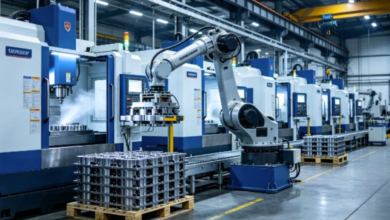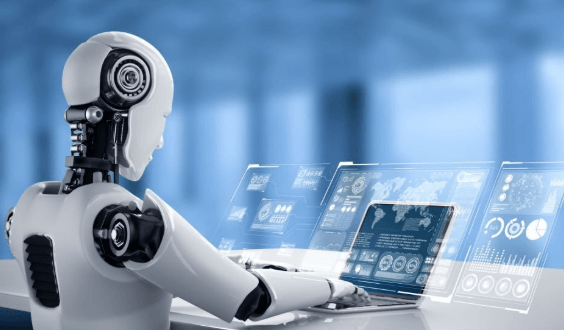
Humanoid robots are poised to integrate into daily life as cohesive systems that manage tasks, schedules, and execution with growing autonomy. Advances in perception, manipulation, and context awareness will enable adaptive mobility across varied environments, while safety, privacy, and ethics shape governance and accountability. The challenge lies in balancing efficiency with human agency and social resilience, prompting retraining and policy support. The trajectory invites closer examination of when and how these systems should assume responsibility.
How Humanoid Robots Will Change Everyday Life
The integration of humanoid robots into daily routines is poised to redefine how tasks are managed, scheduled, and executed, shifting emphasis from manual labor to adaptable assistance.
With rigorous evaluation, systems optimize autonomy while preserving user agency.
Humanoid ethics guides decision frameworks, ensuring transparent governance.
Robot companionship emerges as a support metric, balancing efficiency with companionship to sustain freedom and informed choice.
Breakthroughs Shaping the Next Decade
Breakthroughs in humanoid robotics over the next decade are expected to hinge on advances that integrate perception, manipulation, and autonomy into cohesive systems. This trajectory emphasizes humanoid cognition as a foundational capability, enabling context-aware decision making and learning. Additionally, adaptive mobility will drive versatile operation across varied terrains, increasing resilience. Rigorous integration will define performance benchmarks and accelerate practical, user-empowering deployments.
Balancing Safety, Privacy, and Ethics in Humanoid Robotics
The analysis identifies privacy concerns as central to system design, governance, and accountability, while consent frameworks operationalize user autonomy.
Critical evaluation reveals trade-offs, prompting innovative safeguards, transparent reporting, and adaptable, rights-respecting protocols for evolving robot-human engagement.
Preparing for a Robotic Society: Skills, Jobs, and Governance
What skills, jobs, and governance structures will shape a society increasingly permeated by humanoid robotics, and how can they be designed to maximize productivity while preserving human agency?
The analysis examines ethical governance and policy frameworks that mitigate job displacement, promote retraining, and ensure transparent accountability. It emphasizes adaptive education, autonomous regulation, and civic participation to sustain freedom, resilience, and innovation within an increasingly automated economy.
See also: sweathouz
Frequently Asked Questions
Will Humanoid Robots Ever Feel Emotions Like Humans?
The question is answered: humanoid robots will not truly feel emotions like humans, though sophisticated emotional simulation may mimic affective states for ethical companionship, enabling innovative interactions while prompting rigorous analysis of consciousness, autonomy, and consent in liberated contexts.
Can Robots Truly Understand Human Intention and Context?
Robots cannot truly grasp human intention; they may infer based on data, yet ambiguity persists. Through analytical, rigorous methods and contextual learning, systems reduce intention ambiguity, enabling nuanced responses while preserving user autonomy and interpretive freedom.
How Will Robots Handle Caregiving Without Dehumanization?
To each care scenario, robots can assist without dehumanization, though vigilance is essential. They evaluate care ethics and caregiver design, employing analytical, innovative methods to balance autonomy and dignity, enabling freedom while safeguarding emotional resonance, and avoiding instrumental routines.
Will Robots Replace Humans in All Skilled Professions?
Robots will not replace humans in all skilled professions; instead, they provoke selective job displacement while creating new roles. This dynamic invites rigorous analysis of ethical implications and emphasizes innovative, freedom-oriented approaches to workforce adaptation.
How Do We Measure Robot Trust and Reliability Accurately?
Trust calibration anchors perception; reliability metrics measure performance. The detached analyst compares observables to expectations, drafting allegory of a compass guiding sailors. In rigorous assessment, autonomous agents reveal biases, uncertainties, and resilience—perhaps granting freedom within verifiable, disciplined trust boundaries.
Conclusion
In a measured arc, humanoid robots become co-authors of daily life, not merely instruments. They synthesize perception, manipulation, and autonomy into a seamless continuum, expanding human possibility while demanding vigilant oversight. The future hinges on transparent governance, consent-centered design, and robust privacy safeguards, ensuring trust travels alongside capability. As systems learn to adapt, society must cultivate resilience—retraining, education, and ethical accountability—so automation amplifies liberty rather than erodes it, like a steadfast compass guiding both invention and humanity.