The Home HVAC Checkup: Simple Signs Your System Needs Attention Before Extreme Weather in Brevard County, Florida

In Brevard County, a cooling system often has to work through long stretches of heat, humidity, afternoon storms, pollen, and coastal debris. A seasonal HVAC checkup gives homeowners time to notice small performance changes before the equipment is pushed hard enough that a minor issue becomes an uncomfortable emergency. When replacement is worth considering, homeowners can discuss HVAC installation with All Brevard Air & Heat, a Cocoa-based provider serving homes and businesses across Brevard County. Its installation service focuses on evaluating square footage, energy ratings, load calculations, equipment options, and post-installation inspection, all of which are important when choosing a system that fits the property rather than simply matching the old unit.
Why a Seasonal HVAC Checkup Matters
A system can seem perfectly capable during mild weather, then struggle when indoor temperatures must be controlled for many hours at a time. Longer cooling cycles can expose airflow restrictions, drainage trouble, thermostat problems, worn electrical components, or a system that is no longer keeping pace with the home. Checking performance before a heat wave also gives homeowners more time to compare repair options instead of making a rushed decision after a failure. Basic preparation matters. Changing air filters and clearing debris around the outdoor unit are practical steps that can help support airflow before periods of heavier cooling demand.
See also: How to Sell a House in Southfield, MI: Repairs, Pricing, and Selling Options
Early Warning Signs to Watch
One symptom does not identify the exact problem. For example, weak airflow may be caused by a dirty filter, a closed vent, a duct restriction, or a blower issue. Still, patterns are useful. Pay attention when you notice:
- One or more rooms that remain warmer or cooler than the rest of the home.
- Weak air movement from supply vents.
- Long run times without reaching the thermostat setting.
- New rattling, buzzing, squealing, grinding, or repeated clicking sounds.
- Musty odors, burning smells, or other unfamiliar smells.
- Water near the indoor unit, drain line, or air handler.
- Ice on refrigerant lines or the outdoor equipment.
- Repeated breaker trips, thermostat failures, or shutdowns.
- A noticeable rise in energy use without a clear explanation.
Safe Checks Homeowners Can Do
A simple inspection can help identify obvious issues and give a service technician better information later. Before calling for service, take these safe steps:
- Check the filter and replace it if it is visibly dirty or clogged.
- Make sure supply registers and return vents are open and not blocked by furniture or rugs.
- Look for standing water, staining, or moisture around the indoor equipment.
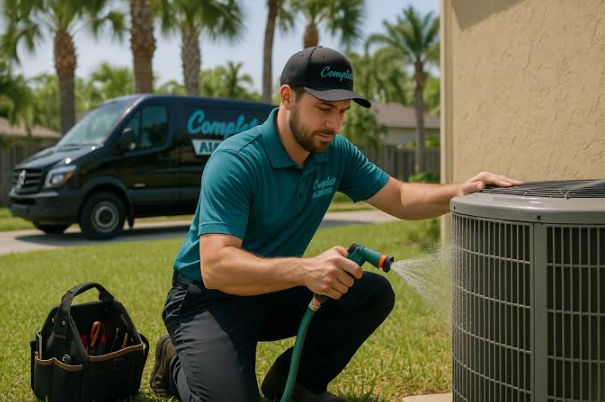
- Remove loose leaves, grass clippings, and debris from around the outdoor unit.
- Confirm that the thermostat is set to the correct mode and temperature.
- Listen for changes when the system starts, runs, and shuts off.
- Write down comfort concerns, noises, odors, and recent utility-bill changes.
Do not open electrical panels, handle refrigerant, bypass safety controls, or attempt work on wiring, motors, compressors, or gas equipment.
When to Call an HVAC Professional
Professional diagnosis is the safer next step when the system blows warm air in cooling mode, freezes repeatedly, makes worsening mechanical noises, leaks near electrical components, or trips a breaker. A burning smell, visible sparking, or suspected electrical issue deserves prompt attention. A proper evaluation should include measurements and testing, not a guess based solely on the unit’s age or appearance.
Repair or Replace: How to Think Through the Choice
Age matters, but it should not make the decision by itself. A newer system with an isolated repair may be worth fixing, while an older system with frequent breakdowns or multiple major component issues may warrant a discussion about replacement. Helpful questions include:
- Is the needed repair minor or related to a major component?
- How often has the system needed service during the past two years?
- Are any parts or labor warranties still active?
- Has comfort, humidity control, or energy use declined despite repairs?
- Would a replacement address address sizing, reliability, or airflow concerns?
A thoughtful choice balances immediate repair costs with future reliability. Comparing repair cost, system history, warranty status, and major component failures can help homeowners frame the conversation before committing to either option.
What to Review Before a New HVAC Installation
Replacing HVAC equipment is more involved than selecting a brand or installing the same size unit that was previously there. An effective installation review should consider a load calculation, the condition and layout of ductwork, airflow balance, compatibility between indoor and outdoor components, thermostat controls, humidity needs, permits, and startup testing. Proper sizing is especially important because oversized and undersized equipment can both create comfort concerns.
Florida Weather and a Simple Maintenance Plan
Homes in Cocoa, Melbourne, Palm Bay, Merritt Island, and nearby Space Coast communities may experience increased cooling demand and high humidity. Outdoor equipment may also collect grass, leaves, pollen, and storm debris. Coastal properties may face additional exposure to salt air. These local conditions make routine observation useful, but they do not replace a professional diagnosis when a system shows clear warning signs.
A Practical Year-Round Routine
- Monthly or as needed: Check the filter, keep vents clear, and watch for water, odors, or new noises.
- Before peak cooling season: Inspect the outdoor area, test thermostat operation, and schedule service if prior problems were unresolved.
- After severe weather or heavy use: Remove loose debris, note any comfort changes, and keep a record of repairs or repeated symptoms.
Common Homeowner Questions
How often should an HVAC system be checked?
Timing depends on the equipment, its maintenance history, manufacturer guidance, local conditions, and how heavily it runs. Seasonal attention is especially useful when the system has shown warning signs or is entering a period of heavy use.
Can a dirty filter cause cooling problems?
Yes. A clogged filter can restrict airflow and make the system work harder. If comfort problems continue after replacing the filter, another issue may be involved.
Can homeowners clean the outdoor unit?
Removing loose debris and keeping the surrounding area open is generally reasonable. Coil cleaning, electrical work, and refrigerant service should be left to qualified professionals.
What should homeowners ask during a service visit?
Ask what caused the problem, what testing was performed, whether the repair is likely to provide lasting service, what should be monitored afterward, and whether maintenance or replacement options should be considered.
A seasonal HVAC checkup does not need to be complicated. Clear airflow, a clean filter, careful observation, and prompt attention to meaningful warning signs can make the next stretch of Brevard County weather more comfortable and manageable.
Conclusion
A seasonal HVAC checkup helps Brevard County homeowners identify small problems before they develop into more disruptive cooling issues. Checking filters, keeping vents clear, removing debris around the outdoor unit, and monitoring unusual noises, odors, leaks, or changes in energy use can help maintain everyday comfort. However, warning signs such as repeated breaker trips, persistent ice buildup, and worsening mechanical noises require professional attention rather than DIY repairs. When a system becomes unreliable, homeowners should compare repair costs, service history, warranty coverage, and long-term performance before deciding whether replacement makes sense. For new equipment, proper sizing, ductwork evaluation, and installation testing are also important. By combining simple routine checks with timely professional service, homeowners can better prepare their HVAC systems for Brevard County’s heat, humidity, and extended cooling demands.