As the days grow shorter and temperatures begin to drop, preparing your home for winter becomes increasingly important. Addressing key repairs before the cold sets in can help prevent costly damage, improve energy efficiency, and ensure your family’s comfort throughout the season. From inspecting your roof to sealing drafts and maintaining your heating system, taking proactive steps now can save you time, money, and stress when winter weather arrives. Focusing on these essential home repairs will help you avoid unexpected surprises and keep your home safe and warm during the harshest months of the year.
Essential repairs to prepare for winter
Inspecting and Repairing the Roof
One of the most critical areas to address before winter is your roof. Over time, shingles can become loose, cracked, or missing, leaving your home vulnerable to leaks and water damage when snow and ice accumulate. Inspecting your roof for signs of wear and tear is essential, especially after a season of storms or heavy rainfall. Pay close attention to areas around chimneys, vents, and skylights, as these are common spots for leaks to develop. If you notice any damaged or missing shingles, it’s important to have them replaced promptly to prevent moisture from seeping into your attic or walls. Additionally, check for signs of sagging or structural issues, which could indicate a more serious problem that needs professional attention. Addressing roof repairs before winter not only protects your home from water damage but also helps maintain its insulation, keeping your heating costs in check during the colder months.
Cleaning and Maintaining Gutters
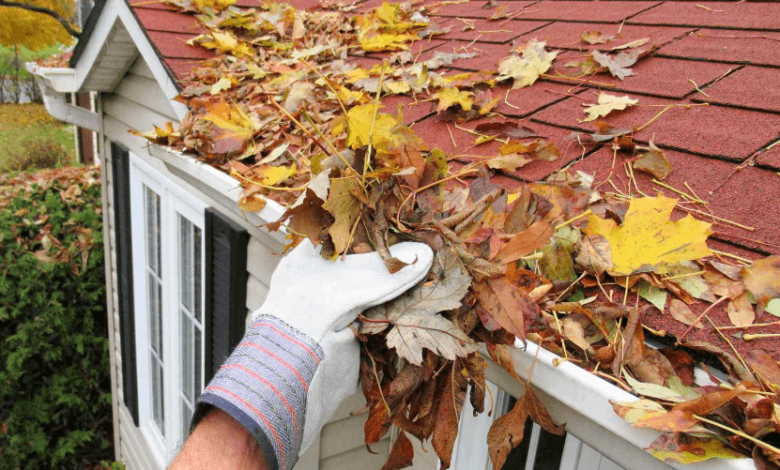
Gutters play a vital role in directing water away from your home’s foundation, but they can easily become clogged with leaves, twigs, and debris during the fall. When gutters are blocked, water can overflow and pool around your foundation, leading to potential basement flooding or structural damage. Before winter arrives, thoroughly clean your gutters and downspouts to ensure they are free of obstructions. This is also the perfect time to inspect for any signs of rust, sagging, or loose fasteners that could compromise their effectiveness. If your gutters are old or damaged, consider a gutter install milford ct service to ensure proper drainage and protection for your home. Well-maintained gutters help prevent ice dams from forming on your roof, which can cause significant damage if left unchecked. Taking the time to address gutter maintenance now will save you from headaches and costly repairs once the snow and ice begin to accumulate.
Sealing Windows and Doors
Drafty windows and doors are a common source of heat loss during the winter months, making your home less comfortable and driving up your energy bills. Inspect all windows and exterior doors for gaps, cracks, or worn weatherstripping that could allow cold air to seep in. Even small openings can have a significant impact on your home’s energy efficiency. Replacing old weatherstripping or applying caulk around frames can make a noticeable difference in keeping warm air inside and cold air out. Pay special attention to older windows, as they are more likely to develop leaks over time. If you notice condensation between panes or difficulty opening and closing windows, it may be time to consider repairs or replacements. Properly sealed windows and doors not only improve comfort but also reduce the strain on your heating system, helping you save on utility costs throughout the winter.
Checking the Heating System
Ensuring your heating system is in good working order is crucial before the cold weather sets in. Schedule a professional inspection and maintenance service for your furnace, boiler, or heat pump to identify any potential issues and ensure optimal performance. Replace air filters, check for unusual noises or odors, and make sure all vents and registers are clean and unobstructed. If your system is older or has been experiencing problems, addressing repairs or upgrades now can prevent breakdowns during the peak of winter. Don’t forget to test your thermostat and consider upgrading to a programmable model for better temperature control and energy savings. A well-maintained heating system not only keeps your home warm and comfortable but also operates more efficiently, reducing your overall energy consumption and costs.
Insulating Pipes and Preventing Freezing
Frozen pipes are a common and costly problem during winter, often resulting in burst pipes and water damage. To prevent this, inspect all exposed pipes in unheated areas such as basements, crawl spaces, and garages. Adding insulation sleeves or wrapping pipes with heat tape can help protect them from freezing temperatures. Pay particular attention to pipes located near exterior walls or in areas with poor insulation. In addition to insulating pipes, make sure to disconnect and drain outdoor hoses and shut off exterior faucets to prevent water from freezing and expanding inside the pipes. Taking these precautions now can save you from the inconvenience and expense of dealing with burst pipes and water damage during the coldest months of the year.
Chimney and Fireplace Safety
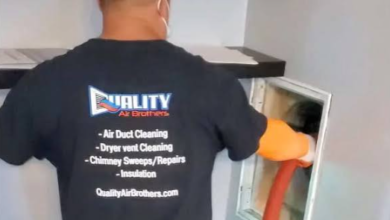
If your home has a fireplace or wood-burning stove, it’s important to ensure that your chimney is clean and in good condition before using it during the winter. Creosote buildup, debris, or animal nests can create fire hazards and block proper ventilation. Schedule a professional chimney cleaning and inspection to remove any obstructions and check for cracks or damage in the flue. Make sure your fireplace damper opens and closes properly, and keep a supply of dry, seasoned wood on hand for safe burning. Proper chimney maintenance not only reduces the risk of fire but also ensures that smoke and gases are safely vented outside, protecting your indoor air quality.
See also: Bringing Coastal Inspiration Into Everyday Cooking
Quick Tip: Test Smoke and Carbon Monoxide Detectors
Before winter, test all smoke and carbon monoxide detectors in your home to ensure they are working properly. Replace batteries if needed and consider upgrading to newer models if your detectors are more than ten years old. These devices are essential for keeping your family safe, especially when heating systems and fireplaces are in use during the colder months.
Attic and Basement Insulation
Proper insulation in your attic and basement is key to maintaining a comfortable indoor temperature and reducing energy costs during winter. Inspect your attic for adequate insulation coverage, paying attention to areas where insulation may have settled or become compressed over time. Adding additional insulation can help prevent heat from escaping through the roof, which is a common source of energy loss. In the basement, check for gaps or cracks in the foundation walls and seal them to prevent cold air from entering. Insulating basement walls and floors can also help keep the space warmer and reduce the risk of frozen pipes. Investing in insulation improvements not only enhances comfort but also contributes to long-term energy savings and protects your home from the harsh effects of winter weather.
Conclusion
Preparing your home for winter by addressing essential repairs and maintenance tasks is a smart investment in your property’s safety, comfort, and efficiency. By inspecting your roof, cleaning gutters, sealing windows and doors, checking your heating system, insulating pipes, and ensuring chimney safety, you can prevent costly damage and avoid unexpected emergencies during the coldest months. Taking these proactive steps now will help you enjoy a warm, secure, and energy-efficient home all winter long, giving you peace of mind no matter how harsh the weather becomes. Don’t wait until the first snowfall—start your winter home preparations today to ensure a smooth and worry-free season ahead.