Every wrapping machine has days when the packs do not come out right. The film wrinkles, a seal peels open, or the machine jams halfway through a run. These problems are frustrating, but most have simple causes and simple fixes. This guide covers the most common faults and how to put them right, so a small problem does not become a lost afternoon.
Wrinkled or Loose Film
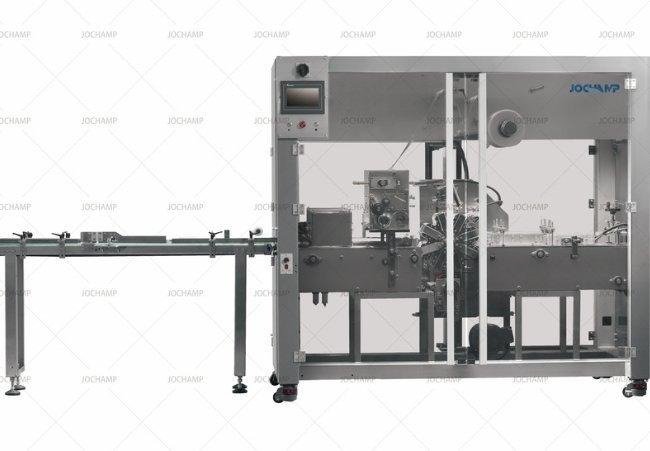
Wrinkled film is the most common complaint on a cellophane overwrapping machine, and it usually comes down to tension. If the film is pulled too tight, it stretches and then relaxes after sealing, leaving a loose, baggy wrap. If it is too slack, the folds wrinkle as they are pressed. The fix is to adjust the tension a little at a time, wrapping a few test boxes after each change, until the film sits flat and tight.
Dirty folding plates can cause the same problem. Film residue builds up on the plates and stops the film sliding smoothly, which creases the wrap. Wipe the plates clean and try again. Also check the film roll itself: a roll that has been stored badly can be dented or damp, and damaged film will never wrap neatly, whatever the settings.
Seals That Peel Open
A seal that peels open on a cellophane overwrapping machine is usually a temperature problem. If the sealing jaws are too cool, the film layers do not bond properly, and the seal comes apart when the pack is handled. Raise the temperature slightly and test a few boxes. If the jaws are too hot, the film can shrink or go milky, which is just as bad, so change the heat in small steps and check the result.
Dirty jaws are the other common cause. Residue on the sealing surface stops the film bonding cleanly, so wipe the jaws when they are cool to touch. If the seal is weak on one side only, the jaws may not be meeting evenly, which is a job for your supplier. Do not keep running the cellophane overwrapping machine with a weak seal, since the affected boxes may open in transit.
Film Tearing and Jamming
Film that tears on a cellophane overwrapping machine usually points to a sharp edge or a damaged roller somewhere along the film path. Run your finger carefully along the guides and rollers, feeling for burrs or rough spots, and check the cutting blade is still sharp. A blunt blade drags the film instead of cutting it, which tears the sheet and jams the machine.
Jams can also come from the wrong film. If the film is too thick for the cellophane overwrapping machine, it will struggle to fold and seal, and it will jam more often. Check the film width and thickness against the manual. If the film is correct and the path is clean, the problem may be the feed timing, best adjusted with your supplier’s advice.
Uneven Folds and Crooked Wraps
When the end folds come out uneven, the film sheet is often the wrong length. A sheet too short leaves one end with too little film to fold properly, while a sheet too long bunches up. Adjust the cut length and test again. This is the first thing to check, because it is the most common cause and the easiest to fix.
If the cut length is right and the folds are still uneven, look at the folding plates. Residue or a plate that has moved out of position will fold one side differently from the other. Clean the plates and check they are sitting squarely. Also check the boxes themselves are consistent: a batch of cartons slightly out of square will wrap unevenly no matter how well the machine is set.
5 Quick Checks Before You Call for Help
- Film tension: adjust a little at a time and test a few boxes.
- Sealing temperature: raise or lower it in small steps and check the seal.
- Clean jaws and plates: wipe off residue that stops the film bonding and folding.
- Cut length: make sure the sheet is the right size for the box.
- Film condition: check the roll for damage, damp or the wrong thickness.
When the Problem Keeps Coming Back
If a fault returns after you have fixed it, look for a deeper cause. A seal that keeps failing may mean a heating element is wearing out. Film that keeps tearing may mean a roller bearing is failing. A cellophane overwrapping machine that jams on one product but not another may need a different setting for that box size. Keep notes on what you changed and what happened, because the pattern often points to the cause.
At that point, it is worth calling your supplier. Describe the fault, what you have tried, and when it happens. A good supplier will talk you through the next steps or arrange a visit. Trying to force a machine that keeps failing will only waste film and risk damaging it.
See also: Year-Round Landscape Planning for Park City, Utah Homes
Frequently Asked Questions
Why does my wrap look good at the start of a run and worse later?
The sealing jaws of the cellophane overwrapping machine build up residue as the run goes on, and the film tension can drift. Wipe the jaws between runs and check the tension if the quality falls during a long session.
What should I do if the machine jams?
Stop the cellophane overwrapping machine, clear the jammed film carefully, and check the film path for a moved guide or a dirty roller. Do not force the mechanism, and check the film roll before restarting.
Can I fix a weak seal by raising the temperature a lot?
No. Raise it in small steps and test each time. Too much heat will scorch or shrink the film, which is a worse fault than a weak seal.
Final Thoughts
Most faults on a cellophane overwrapping machine come from a small number of causes: tension, temperature, cleanliness, cut length and film condition. Work through them one at a time, and test a few boxes after each change. That steady approach fixes most problems in minutes, and it keeps a small fault from turning into a lost day of production.