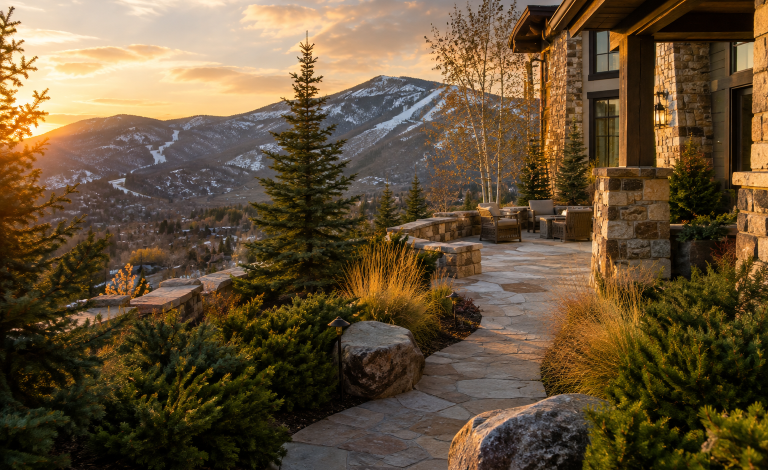
Park City landscapes have to do more than look good during a few warm summer months. Snow, spring runoff, bright sun, wind, dry periods, and changing temperatures all affect how paths, patios, plants, and drainage systems perform. Thoughtful landscape design in Park City starts with those realities and turns them into practical design decisions. Choosing materials and plants suited to local conditions can also help reduce maintenance needs and improve long-term landscape performance.
A well-planned yard should feel welcoming in every season, whether it is framed by snow in winter, used for outdoor meals in summer, or prepared for changing weather in fall. The goal is not to fill every open area. It is to create a durable setting that supports the way the property is actually used. Considering seasonal activities, access, and upkeep from the outset can help homeowners make better use of their outdoor spaces year-round.
Why a Year-Round Plan Matters
A summer-only approach can leave a property difficult to navigate or visually bare for much of the year. In Park City, durable landscape structure matters. Trees and shrubs, stone, walls, paths, steps, lighting, and defined gathering spaces give the property shape when flowers are dormant. They also make seasonal upkeep easier because every feature has a clear purpose.
Reviewing the Site Before Designing
Before purchasing plants or materials, observe the property. Note where the sun falls in the morning and afternoon, where wind funnels around the house, where snow is likely to be piled, and where water travels during snowmelt or heavy rain. Also map utilities, existing trees, views, access routes, steep grades, shallow soils, and low areas.
Conditions can look very different from one season to the next. A dry-looking corner in midsummer may hold water in spring, while a pleasant sunny patio may interfere with snow storage in winter. Taking photos and notes over time helps prevent costly placement mistakes.
Designing for All Four Seasons
Winter and Spring
Keep primary walkways direct, wide enough for practical snow clearing, and easy to see after dark. Leave deliberate areas for snow storage so doors, drains, and planting beds are not blocked. In spring, inspect drainage routes, retaining walls, steps, and planting beds for erosion or settling. Evergreen foliage, textured bark, ornamental grasses, stonework, and low-voltage lighting can maintain interest while the landscape is dormant.
Summer and Autumn
Summer plans should include shade where people gather, mulch or ground cover to protect exposed soil, and plant groupings with similar water needs. Autumn extends the display through foliage color, berries, seed heads, and grasses. It is also the right time to clear drains, remove weak limbs, and prepare irrigation and furniture for colder conditions.
Choosing Durable Hardscape Materials
Hardscape should be selected for traction, drainage, maintenance, and appearance. A walkway needs a stable surface and edges that can tolerate routine snow removal. Patio materials should suit the site’s exposure and furniture layout. Retaining walls need proper drainage and sound construction because they manage both soil pressure and grade changes.
- Use consistent step heights and visible edges to improve footing.
- Grade surfaces so water moves away from structures and does not collect on paths.
- Choose edging that contains gravel, mulch, and soil without creating an obstacle.
- Prioritize long-term performance over a finish chosen only for initial price or color.
Selecting Plants for a Mountain Setting
Plant selection works best when it follows the site rather than a generic list of favorites. Place sun-loving plants in open areas, reserve shade-tolerant choices for protected zones, and use deep-rooted planting where slopes need stabilization. Combine evergreen and deciduous plants so the design has both winter structure and seasonal change.
Give plants enough room to mature, and group them by light, soil, and moisture needs. Local guidance on trees, shrubs, soil care, pests, and monthly tasks is available through USU Extension yard and garden resources, helping homeowners make better-informed care decisions.
Using Water Wisely Without Losing Curb Appeal
Water-efficient design does not require a sparse landscape. Start by fixing leaks and checking irrigation coverage. Then use drip irrigation where appropriate, apply mulch around planting beds, and replace difficult turf areas with plantings that better match their exposure. Watering should change with weather and plant needs rather than follow one fixed schedule. The weekly lawn-watering guide for Utah conditions can help homeowners adjust their irrigation as conditions change.
Extending Outdoor Living
Outdoor spaces become more useful when they are designed around comfort rather than simply filled with furniture. Position seating to take advantage of pleasant sun in cooler months, then add shade, a screen, or a wind buffer where needed. Layer lighting for paths, steps, seating, and dining areas, and create clear zones for cooking, relaxing, play, or conversation.
For example, a small patio can become far more functional with a compact covered seating area, subtle lighting, and a planted windbreak. Those changes often deliver more value than overcrowding the same patio with additional chairs or accessories.
Safety and Fire-Conscious Planning
Safe landscapes make everyday movement easier. Keep entrances, utility equipment, and paths accessible. Light changes in elevation, prune limbs away from roofs and overhead lines, and regularly remove dry debris. Fire-conscious planning also includes plant spacing, irrigation, cleanup, and careful attention to the area closest to the home. Check applicable local requirements before installing walls, fencing, lighting, water features, or fire elements.
Building a Simple Seasonal Maintenance Plan
- Late winter and spring: Inspect drainage, steps, walls, and paths after snowmelt. Remove damaged branches and test irrigation before regular use.
- Summer: Watch for plant stress, adjust watering, trim plants away from paths, and check lighting and irrigation heads.
- Fall: Clear leaves from drains, protect sensitive plants, winterize exposed water lines, and store weather-sensitive furniture.
Set a Practical Budget and Follow a Clear Sequence
Divide major improvements into phases. Start with safety, drainage, and unstable areas. Next, address long-term structure such as patios, walls, steps, irrigation, and major planting beds. Comfort features, including lighting, shade, and seating, can follow. Finish with containers, decorative accents, and seasonal color. Reserve part of the budget for soil work, irrigation adjustments, replacement plants, and unforeseen site conditions.
A Simple Planning Checklist
- Define how the space should function in each season.
- Map sun, wind, drainage, slope, and snow patterns.
- Resolve access and safety concerns first.
- Select durable hardscape and a site-appropriate plant palette.
- Plan irrigation, lighting, and maintenance before installation begins.
Final Thoughts
The strongest Park City landscape plans work with the property’s conditions rather than fight them. When drainage, safety, seasonal use, durable materials, and plant maturity are considered from the beginning, the result is an outdoor space that remains orderly in winter, inviting in summer, and ready for every transition in between.