How to Choose Replacement Car Parts in Brandon, Florida: Fit, Quality, and Installation Tips

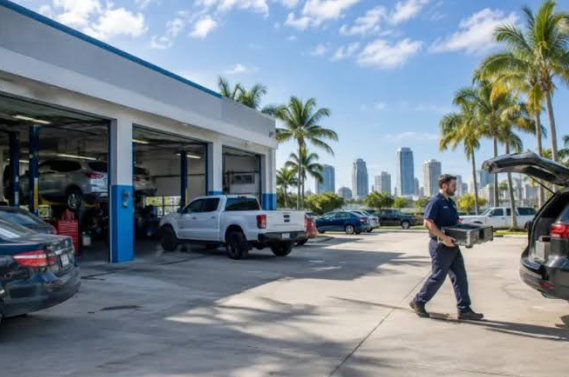
Choosing the right replacement part can help Brandon drivers keep their vehicles dependable through Tampa Bay commutes, summer heat, heavy rain, and everyday errands. Before searching for Nissan dealer parts near me, gather the exact details of your vehicle so that the part you buy matches what was originally installed.
Price matters, but it should not be the only deciding factor. A part that does not fit, requires unexpected programming, or fails early can create more expense through repeat labor, towing, lost time, and another repair visit.
Why Part Choice Matters More Than Price Alone
Two components with the same general name can differ in materials, design, included hardware, testing, and warranty coverage. A low-cost sensor that creates a warning light or requires a second installation may not be a bargain after labor and diagnostic time are included.
Part quality can vary within both OEM and aftermarket options. For common repairs, the best decision is usually the one that balances confirmed fit, reasonable longevity, useful support, and the needs of the specific vehicle.
For drivers comparing auto parts Tampa options, it is smart to decide whether the repair needs factory-level precision, a proven aftermarket alternative, or a professionally rebuilt component before comparing listings.
Start With Exact Vehicle Information
Do not rely on appearance alone. Vehicles that look identical can use different parts because of trim packages, engine choices, production changes, or optional equipment. Collect the following information before shopping:
- The vehicle identification number, or VIN.
- Model year, make, model, and trim level.
- Engine size, transmission, drivetrain, and production date are listed.
- The old part number, if it is visible and legible.
- Photos of the removed component, connectors, mounting points, and labels.
Check the part number against more than one reliable catalog when possible. A so-called universal component may still require modifications, adapters, or extra labor that make it unsuitable for the job.
Understand OEM, Aftermarket, Remanufactured, and Recycled Parts
- OEM parts are supplied through the vehicle manufacturer’s parts system or made to that manufacturer’s specifications.
- Aftermarket parts are made by independent manufacturers for particular vehicle applications.
- Remanufactured parts are previously used components that have been rebuilt and tested for reuse.
- Recycled parts are removed from another vehicle and sold for reuse, often for older or discontinued models.
Each category involves tradeoffs among cost, availability, expected service life, and warranty support. As replacement-part choices often come down to type, cost, and warranty, compare all three rather than assuming one category always wins.
When OEM Parts Make Sense
OEM parts can be a strong choice for complex electronics, control modules, sensors, and components that must work precisely with factory software. They may also be preferable for newer vehicles, leased vehicles, repairs covered by a service agreement, or restoration work where original fit and finish are priorities.
An exact fit can reduce installation time and prevent improvised adjustments. Still, OEM is not automatically the best answer for every repair. The exact part, its warranty, and the installer’s requirements remain important.
When a Quality Aftermarket Part May Be a Smart Choice
Reputable aftermarket brands can offer good value for routine maintenance items such as filters, wiper blades, belts, hoses, bulbs, and selected brake components. Compare application details, specifications, included hardware, warranty length, and the supplier’s return process instead of choosing solely by the lowest price.
Aftermarket quality varies by manufacturer and product line. A well-supported part from an established supplier may be a practical option, while an unusually cheap listing with unclear branding or incomplete vehicle fitment information deserves more scrutiny.
Match Part Quality to Repair Risk
High-Risk Repairs
Brake, steering, suspension, fuel, airbag, and advanced driver-assistance components should receive the closest review. Confirm fitment, installation procedures, related hardware, and the qualifications of the person completing the repair. Federal safety regulators have specifically warned that substandard replacement airbag components can cause severe injury or death, so replacement airbag components require particular care.
Medium- and Lower-Risk Repairs
Cooling components, charging parts, sensors, belts, and drivetrain accessories still require accurate fitment, but the decision may allow more flexibility. Cabin filters, wiper blades, trim, floor mats, and cosmetic accessories are generally lower-risk purchases, although a poor fit can still create inconvenience or damage.
Check Fitment Before Ordering
- Confirm the manufacturer or interchange part number.
- Review the application list for the exact year, engine, trim, and drivetrain.
- Compare connectors, dimensions, mounting points, and material with the old part.
- Look for midyear revisions or production-date restrictions.
- Ask whether programming, calibration, bleeding, or alignment is required.
- Save the product page, invoice, and order confirmation until the repair is complete.
A similar-looking component can still have a different connector, bolt pattern, sensor range, or software requirement. Compare the new and old parts before installation whenever practical, especially before discarding packaging that may be needed for a return.
Read the Warranty and Return Policy
Review warranty length, mileage limits, exclusions, labor coverage, and whether coverage applies only to the original purchaser. Find out whether professional installation is required and whether an opened electrical part is returnable. Remanufactured and recycled parts may have different coverage from new components, and recycled-part warranties may be limited to the replacement part itself.
Installation: DIY or Professional Help?
Experienced owners may be comfortable with wiper blades, filters, bulbs, and some battery replacements when the vehicle’s instructions are followed. Airbags, brake hydraulics, steering parts, suspension work, alignments, and advanced electronics often require specialized tools, torque specifications, diagnostic equipment, or calibration procedures.
Ask a repair shop whether it accepts customer-supplied parts before placing an order. A correctly chosen component can still malfunction or create safety concerns if it is installed incorrectly.
Questions to Ask Before Buying
- Is this part confirmed for the exact VIN, trim, and engine?
- Is it new, remanufactured, recycled, refurbished, or used?
- Are gaskets, clips, hardware, fluids, or sensors included?
- Does the part require programming, calibration, bleeding, or alignment?
- What does the warranty cover, and does it include labor?
- What happens if the part does not fit or arrives damaged?
Final Checklist Before Installation
- Confirm the part number and vehicle application one final time.
- Inspect the part for shipping damage, altered labels, or missing pieces.
- Read the installation instructions and follow the specified torque values.
- Replace required seals, fasteners, clips, and related components.
- Complete any programming, calibration, bleeding, or alignment procedure.
- Test the repair safely before returning to normal driving.
Conclusion
The right replacement car part for a Brandon, Florida vehicle is not always the most expensive one. It is the part that fits the exact vehicle, suits the risk level of the repair, comes with meaningful support, and can be installed correctly. By checking fitment first and comparing the complete repair cost, drivers can make more confident choices in 2026.