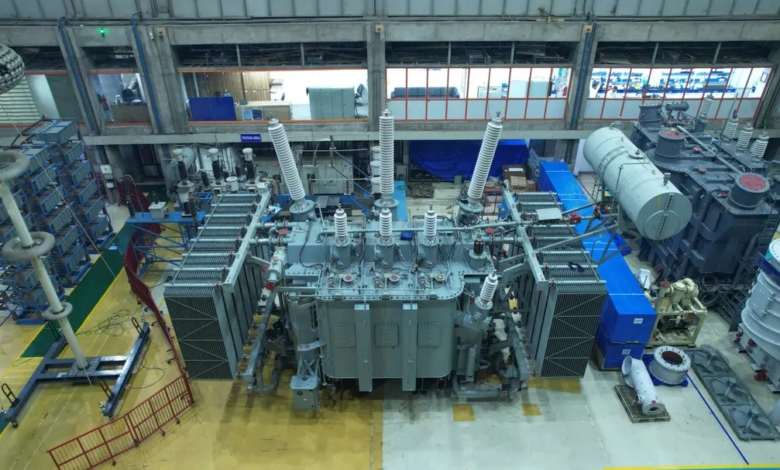
Transformers are the backbone of every electrical power system, ensuring electricity is delivered safely and efficiently from generation points to end users. While many people are familiar with distribution transformer applications, auxiliary transformers are equally important in industrial facilities, substations, and power plants. Although both devices operate on the same principle of electromagnetic induction, they serve different purposes and are designed for different operating conditions.
Understanding the difference between auxiliary transformers and distribution transformer solutions helps engineers, utilities, and industries choose the right equipment for reliable performance, energy efficiency, and long-term operation.
What Are Auxiliary Transformers?
Auxiliary transformers are designed to supply power to auxiliary equipment required for the operation of electrical facilities. Instead of delivering electricity directly to consumers, these transformers provide power to systems that support the primary electrical infrastructure.
They are commonly installed in:
- Power generation plants
- Electrical substations
- Industrial manufacturing facilities
- Renewable energy projects
- Large infrastructure installations
Typical auxiliary loads include control panels, protection systems, lighting, cooling equipment, pumps, compressors, HVAC systems, battery chargers, and other essential plant services.
Leading transformer manufacturers such as TARIL design auxiliary transformers to provide a stable and reliable power supply even under demanding operating conditions, helping critical equipment continue functioning without interruption.
See also: Curb Appeal Improvements That Also Protect Your Home
What Is a Distribution Transformer?
A distribution transformer performs the final voltage transformation before electricity reaches residential, commercial, or industrial consumers. It steps down medium-voltage electricity from the distribution network into lower voltages that can be safely used by homes, offices, factories, and commercial buildings.
Distribution transformers are installed across electrical distribution networks, including:
- Residential neighborhoods
- Commercial complexes
- Industrial parks
- Utility distribution systems
- Public infrastructure
Their primary objective is efficient, continuous power delivery while minimizing energy losses during normal operating conditions.
TARIL manufactures distribution transformers ranging from 250 kVA to 10,000 kVA with voltage ratings up to 33 kV, designed for reliable performance across residential, commercial, and industrial applications.
Auxiliary vs Distribution Transformers: What Makes Them Different?
Although both transformers convert voltage levels, their applications differ significantly.
The biggest difference lies in their purpose. Auxiliary transformers supply power to internal electrical equipment that supports the operation of plants, substations, and industrial systems. A distribution transformer, on the other hand, supplies electricity directly to end users after reducing distribution voltage to usable levels.
Their installation locations also differ. Auxiliary transformers are usually installed inside industrial facilities or power stations, while distribution transformers are placed throughout utility distribution networks close to consumers.
Loading characteristics are another important distinction. Auxiliary transformers often experience varying load conditions depending on plant operations. Distribution transformers are designed to remain energized continuously and operate efficiently under changing consumer demand throughout the day.
Their design priorities also reflect these different roles. Auxiliary transformers emphasize dependable operation for mission-critical systems, while distribution transformers focus on reducing no-load and load losses to maximize overall network efficiency.
Where Are Auxiliary Transformers Used?
Auxiliary transformers play a critical role wherever uninterrupted internal power is required.
In power plants, they supply electricity to pumps, cooling systems, control rooms, instrumentation, and safety equipment. Industrial manufacturing facilities rely on them to operate production support systems, control panels, compressors, and automation equipment.
Electrical substations also depend on auxiliary transformers to power protection relays, communication systems, battery chargers, lighting, and monitoring equipment that keep the substation operating safely.
Without these transformers, many essential systems would not function even if the main power network remained operational.
Where Are Distribution Transformers Used?
A distribution transformer forms the last stage of electricity delivery before power reaches consumers.
Utility companies install these transformers throughout cities, towns, industrial zones, and rural areas to provide the correct voltage for homes, businesses, hospitals, schools, shopping centers, and factories.
Because they operate continuously, distribution transformers are engineered for long service life, high efficiency, and dependable voltage regulation. Modern designs also support growing electricity demand while helping reduce energy losses across distribution networks.
Which Transformer Should You Choose?
The correct choice depends entirely on the application.
If the requirement is to power plant equipment, industrial controls, substations, or operational support systems, auxiliary transformers are the appropriate solution.
If electricity must be delivered safely from the utility network to residential, commercial, or industrial consumers, a distribution transformer is required.
For utilities, infrastructure developers, renewable energy projects, and industrial facilities, selecting the proper transformer involves evaluating voltage requirements, load profile, operating environment, efficiency targets, and applicable industry standards. Working with an experienced manufacturer ensures the transformer is engineered to match the application’s technical and operational requirements.
Conclusion
Although auxiliary transformers and distribution transformer units share the same operating principle, they perform very different functions within an electrical power system. Auxiliary transformers provide dependable power to essential internal equipment, while distribution transformers deliver electricity safely and efficiently to end users.
Understanding these differences helps utilities, engineers, and industries select the right transformer for reliable operation, improved efficiency, and long-term system performance. As electrical infrastructure continues to expand and modernize, both transformer types remain indispensable components of dependable power networks.
Frequently Asked Questions
What is the main purpose of auxiliary transformers?
Auxiliary transformers supply electricity to support equipment such as control systems, pumps, lighting, cooling systems, protection devices, and other essential services within power plants, substations, and industrial facilities.
What is a distribution transformer used for?
A distribution transformer reduces medium-voltage electricity to lower voltage levels suitable for residential, commercial, and industrial consumers, making it the final voltage transformation stage in the power distribution system.
Can auxiliary transformers be used as distribution transformers?
No. Although both transform voltage, they are designed for different operating requirements and applications. Auxiliary transformers support internal facility operations, while distribution transformers deliver electricity directly to end users.
Which industries commonly use auxiliary transformers?
Auxiliary transformers are widely used in power generation plants, substations, manufacturing industries, oil and gas facilities, mining operations, renewable energy projects, and other large industrial installations.
How do you choose between auxiliary transformers and distribution transformers?
The choice depends on the intended application. If the transformer is required to power internal operational equipment, auxiliary transformers are the correct option. If the objective is supplying electricity to homes, businesses, or industrial consumers, a distribution transformer is the appropriate solution.