Power outages can occur for a variety of reasons, including severe weather, utility issues, equipment failures, or unexpected emergencies. When electricity is unavailable, homeowners often look for reliable backup power solutions to keep essential systems operating. For many property owners evaluating a standby generator Laredo TX solution, one of the first questions is whether a standby generator or a portable generator is the better choice.
While both options provide backup electricity, they differ significantly in terms of convenience, capacity, operation, and long-term value.
Understanding Standby Generators
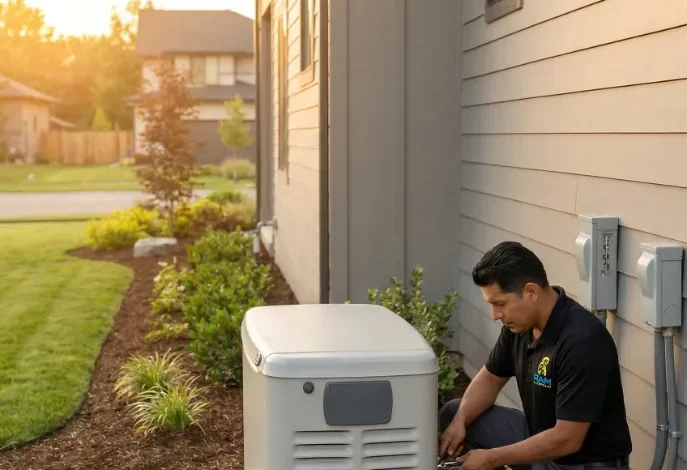
Standby generators are permanently installed backup power systems that automatically activate when a power outage occurs.
These systems are typically connected to the home’s electrical system and fuel supply, allowing them to provide power without manual intervention.
Common characteristics include:
- Automatic operation
- Whole-home or partial-home coverage
- Permanent installation
- Continuous fuel source
- Higher power capacity
Because they activate automatically, standby generators are often preferred by homeowners seeking uninterrupted power during outages.
Understanding Portable Generators
Portable generators are movable units designed to provide temporary electricity when needed.
Unlike standby systems, portable generators require manual setup and operation.
Key features include:
- Mobility
- Lower upfront cost
- Temporary use
- Manual startup
- Flexible applications
Portable units can be useful for occasional power needs, outdoor activities, and short-duration outages.
Comparing Power Capacity
One of the most important differences between these options is power output.
Standby Generators
Standby systems are often capable of powering:
- Central air conditioning
- Refrigerators
- Lighting
- Security systems
- Home offices
- Major household appliances
Portable Generators
Portable units typically support:
- Small appliances
- Essential electronics
- Limited lighting
- Basic household needs
The appropriate choice depends largely on how much backup power a homeowner requires during an outage.
Convenience and Ease of Use
Convenience is often a major factor when selecting a backup power solution.
Standby Systems
These systems automatically detect outages and begin generating power without requiring homeowner involvement.
Benefits include:
- Automatic startup
- Continuous operation
- Reduced disruption
- Greater peace of mind
Portable Units
Portable generators require:
- Manual setup
- Fuel management
- Startup procedures
- Electrical connections
While effective, they generally require more user involvement during emergencies.
Installation Requirements
Installation needs vary significantly between the two options.
Portable generators typically require minimal setup beyond proper operation and safe placement.
Standby systems, however, involve a more comprehensive process that includes electrical integration and fuel-source connections.
For this reason, homeowners considering permanent backup power often rely on professional generator installation Laredo TX services to ensure proper system design and safe operation.
Fuel Considerations
Fuel availability plays an important role in generator performance.
Standby Generators
These systems commonly operate using:
- Natural gas
- Propane
Because fuel is supplied automatically, extended operation is often possible without frequent refueling.
Portable Generators
Portable models often rely on:
- Gasoline
- Propane
Fuel must typically be stored and replenished manually during extended outages.
Long-Term Reliability
Reliability can be especially important during prolonged power interruptions.
Standby generators are designed specifically for emergency backup situations and often include features that support dependable long-term operation.
Portable units can also provide reliable service, but they generally require more active management and maintenance during use.
Cost Considerations
Many homeowners compare initial costs when evaluating backup power solutions.
Portable generators typically involve lower upfront expenses, making them attractive for occasional use.
Standby generators usually require a larger initial investment due to equipment and installation requirements. However, some homeowners view the additional convenience and capacity as worthwhile long-term benefits.
Which Option Is Right for You?
The ideal backup power solution depends on several factors, including:
- Household power needs
- Budget considerations
- Desired level of convenience
- Frequency of outages
- Long-term plans for the property
Homeowners who require automatic, whole-home protection may find a standby system more suitable. Those seeking a lower-cost solution for occasional use may prefer a portable generator.
See also: How an Oil and Gas Attorney Protects Your Assets in Uncertain Markets?
Final Thoughts
Both standby and portable generators can provide valuable protection during power outages, but they serve different needs. Understanding the differences in capacity, convenience, installation requirements, and long-term operation can help homeowners make informed decisions.
By evaluating household priorities and backup power goals, property owners can select a solution that supports their comfort, safety, and preparedness when unexpected outages occur.