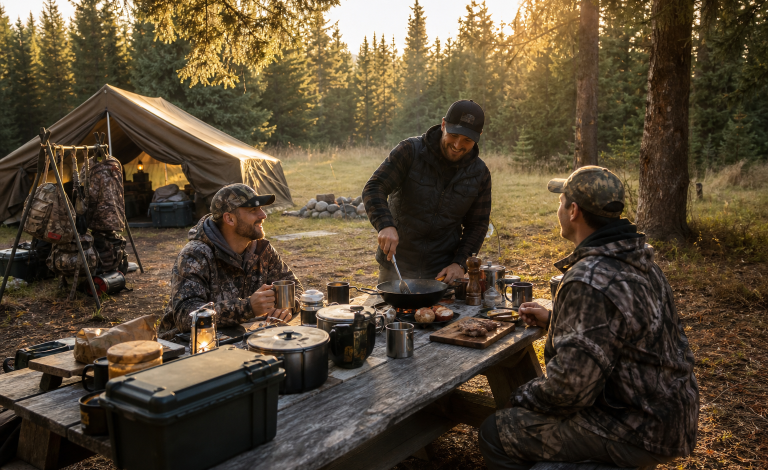
A successful hunting camp weekend begins with a well-thought-out plan that clearly defines everyone’s roles, ensures a safe place to stay, and allows time for everyone to enjoy the outdoors together. Whether the group consists of longtime hunting partners, first-time guests, or family members interested mainly in the camp experience, careful preparation helps create a relaxed atmosphere rather than a rushed one. Including some downtime activities, such as cornhole games, you can find options at https://www.cornholeworldwide.com/shop/hunting-cornhole-games/, which can also provide a fun way for everyone to socialize when not out in the field.
The best approach is simple: plan early, put safety before convenience, and leave room for weather changes and unexpected delays. Confirm the location, communicate expectations before anyone arrives, and ensure everyone knows how to get help if something goes wrong.
Why A Good Camp Plan Matters
A hunting camp is more than the hours spent afield. It is where people sleep, eat, maintain gear, trade stories, and prepare for the next outing. A clear plan reduces avoidable questions about meals, sleeping space, vehicle parking, and cleanup. For example, one person can handle food shopping, another can inspect shared lights and fuel, and another can keep the emergency information accessible. Small assignments prevent one organizer from carrying the entire workload.
Choose The Right Camp Location
Select a location based on more than its distance from the hunting area. Review the road access, parking, sleeping arrangements, water availability, restroom options, and space for cooking and equipment storage. Make sure the group has a safe place to walk after dark and enough separation between the cooking area, sleeping area, and any secured equipment.
Before leaving, check the rules that apply to the specific property or public land unit. Fire restrictions, overnight-use rules, waste requirements, vehicle access, and hunting regulations can vary by location. Private-land guests should also confirm boundaries, arrival instructions, and any rules set by the landowner.
Build A Simple Weekend Schedule
A flexible schedule keeps the group coordinated without making camp feel overly formal. Adjust the times to fit travel distance, season, and local conditions.
- Friday afternoon: Arrive, unload, inspect the site, and assign sleeping areas.
- Friday evening: Prepare dinner, review camp rules, and discuss the following morning.
- Saturday morning: Check weather, communications, and equipment before field activities begin.
- Saturday afternoon: Eat lunch, rest, organize gear, and enjoy a simple camp activity.
- Saturday evening: Share a meal, check plans for Sunday, and secure all equipment.
- Sunday: Complete planned activities, pack nonessential gear early, and clean before departure.
Set Clear Safety Rules Before Arrival
Every guest should receive the camp rules before the trip, especially when children, new hunters, or visitors are attending. Keep firearms unloaded when not in use, secure them to prevent unauthorized access, and store ammunition separately in accordance with the group’s safety plan and applicable law. Secure firearm storage practices for hunters also emphasize planning for safe storage at home, in vehicles, and at a destination.
- Review safe handling expectations and confirm everyone knows where people are located before field activities begin.
- Keep knives, fuel, propane, and cooking equipment in controlled areas.
- Use flashlights, marked paths, and reflective items for moving around camp after dark.
- Bring a well-stocked first-aid kit and identify the nearest medical facility before arrival.
- Share emergency contacts, campsite coordinates or directions, and a return-time plan with someone at home.
Plan Meals That Feed A Group
Camp meals should be filling, easy to prepare, and realistic given the available equipment. Make-ahead breakfasts such as oatmeal, egg bakes, or breakfast burritos reduce morning work. One-pot chili, stew, pasta, or foil-pack dinners can simplify cleanup. Pack portable snacks, drinking water, and a backup meal that does not depend on perfect weather or a working fire.
Organize coolers so raw meat stays separate from ready-to-eat food, and use separate utensils and cutting boards for raw and cooked ingredients. Ask about allergies, medications, dietary restrictions, and food preferences before shopping. This small step helps every guest feel included at mealtime.
Pack A Practical Camp Kit
Sleeping And Shelter
- Tent or confirmed lodging, sleeping bag, pillow, and ground cover.
- Extra blankets, rain protection, and spare dry clothing.
- Sturdy footwear suitable for wet ground and uneven camp surfaces.
Cooking, Safety, And Communication
- Coolers, ice, stove, fuel, cookware, utensils, water, and trash bags.
- First-aid kit, flashlights, spare batteries, and a charged power bank.
- Printed directions, a map, a compass, or an offline navigation tool for areas with weak service.
Keep Everyone Involved At Camp
Not everyone will participate in every field activity, so plan a few safe ways to enjoy camp together. Set up a casual game area away from firearm storage and handling areas. Share photos, recipes, and stories from past trips, or take a short nature walk focused on tracks, birds, and local habitat. Younger guests can help with age-appropriate tasks such as sorting snacks, organizing seating, gathering approved supplies, or helping prepare a meal under adult supervision.
Include New Hunters And Younger Guests
Newcomers benefit from plain-language explanations of camp routines, equipment, and expectations. Pair beginners with patient, experienced adults, and let questions come naturally rather than treating them as interruptions. Family-oriented programs, such as the Wyoming family camp model, demonstrate how outdoor activities, hunter education, and safety instruction can be combined in a welcoming setting. Focus on respect for wildlife, awareness of surroundings, and responsible habits that apply both in camp and in the field.
Prepare For Weather, Poor Service, And Cleanup
Check the forecast before departure and again after arriving, but pack for colder, wetter, or windier conditions than expected. Keep spare layers, dry socks, and essential items in waterproof bags. If storms change the schedule, shift to covered meal preparation, gear maintenance, card games, or quiet group activities.
Before leaving, assign a camp coordinator, food lead, safety lead, equipment lead, and cleanup lead. On departure day, pack all trash and food, inspect under vehicles and tents, remove temporary markers, fully extinguish fires according to local guidance, and report damage or hazards to the land manager. A clean, orderly departure is the final part of a responsible hunting camp weekend.
See also: Short-Term Property Financing: Building a More Resilient Plan
Final Planning Checklist
- Confirm the location, rules, schedule, and emergency plan.
- Assign camp jobs and share a complete packing list.
- Plan meals, water, weather protection, and downtime activities.
- Review safety procedures before arrival and at the start of each day.
- Complete a thorough cleanup before the last vehicle leaves.