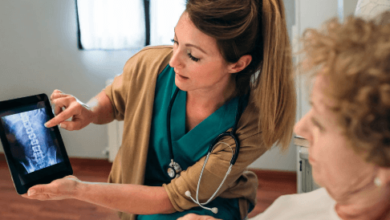
Starting treatment for opioid use disorder can feel like a major step, especially when work, transportation, family responsibilities, and health concerns are all competing for attention. Whether someone is exploring options near University Avenue, elsewhere in San Diego, or through telehealth, asking clear questions can make the first appointment feel more manageable. A conversation with an opioid treatment clinic in San Diego can help a person understand available services, but no one needs to arrive with every answer already prepared. Opioid use disorder is treatable, and care may include medication, medical monitoring, counseling, peer support, referrals, or help addressing practical barriers. The most useful treatment plan is not necessarily the one that looks simplest on paper. It is medically appropriate, respectful, and realistic to continue in daily life.
Why Good Questions Matter Before Treatment Begins
Questions are not a sign of doubt or resistance. They are part of making an informed healthcare decision. A provider should be able to explain what treatment involves, why a recommendation is being made, and how the plan could change if it is not meeting your needs. Clear answers can also help people compare programs without feeling pressured to make a rushed decision.
What to Bring to the First Appointment
Intake works best when the care team has an accurate picture of current health and daily circumstances. You do not need perfect records. Bring what you know, and be honest about anything you are unsure of.
- A list of prescriptions, over-the-counter medicines, and supplements.
- Information about alcohol, opioids, or other substances currently being used.
- Past treatment experiences, including medications that helped or caused problems.
- Known allergies, major health conditions, pain concerns, and mental health symptoms.
- Insurance information, preferred contact methods, and questions about work or transportation.
See also: Epoxy Coated Rebar: How to Select the Right Reinforcement for Concrete Projects
Questions About Medication Options
FDA-approved medications for opioid use disorder include buprenorphine, methadone, and naltrexone. They work differently, and the best option can depend on opioid use patterns, medical history, withdrawal risk, other medications, treatment access, and personal goals.
Questions to Ask a Prescriber
- Why might this medication fit my needs right now?
- What benefits, side effects, and interactions should I understand?
- How will treatment begin, and what should I do if withdrawal or cravings continue?
- What happens if I miss a dose, appointment, or medication pick-up?
- How often will my dose and progress be reviewed?
Online experiences can be useful for generating questions, but they cannot replace an individualized medical discussion. Ask the prescriber to explain the risks, benefits, and alternatives in plain language.
What Happens During Intake?
Intake is an assessment and conversation, not a test that a person can pass or fail. A clinician may ask about opioid use, withdrawal symptoms, physical health, mental health, current medicines, prior treatment, and immediate safety concerns. Programs may also check vital signs, review medications, or use laboratory testing or toxicology screening when it supports safer clinical decisions.
How Counseling and Other Support Fit In
Medication can be an important part of care. Still, people may also benefit from counseling, peer services, case management, mental health treatment, or referrals for housing, transportation, benefits, and primary care. Ask whether services are offered on-site or through referrals, how urgent mental health concerns are handled, and whether family involvement is possible with your permission.
Questions About Overdose Prevention and Safety
Ask whether naloxone education is offered, how to store medications safely, and when to seek urgent help. Alcohol, benzodiazepines, and other sedating substances can increase risks when combined with certain medications, so it is important to share this information without fear of judgment. In an overdose emergency, call 911, give naloxone if it is available, and follow emergency instructions.
Privacy and Program Policies
Before enrolling, ask how records are protected, who can receive information, and what consent is required before information is shared. Patients can also review the revised opioid treatment program regulations to understand better patient rights, individualized care, and how opioid treatment programs operate.
- What are the rules for missed appointments and medication pick-up?
- How are drug screenings handled and discussed?
- Are there take-home medication policies?
- Who can be contacted after normal business hours?
- How can a patient raise a complaint or concern?
Costs, Insurance, and Daily Logistics
A quoted visit price may not include every part of care. Ask about medication costs, laboratory fees, counseling, insurance authorizations, missed-appointment charges, and payment options. San Diego traffic, work schedules, childcare, and distance from home can all affect whether a plan is practical. Also, ask what happens during travel, illness, a job change, or a move.
How to Compare Treatment Providers
- Confirm that evidence-based medication treatment is available or can be arranged.
- Compare intake procedures, follow-up schedules, hours, and communication options.
- Ask how medical, mental health, and social support needs are coordinated.
- Review costs, privacy practices, emergency procedures, and program policies.
- Choose care where staff communicate clearly and treat questions with respect.
Questions About Long-Term Treatment
Treatment length varies from person to person. Ask how progress will be measured, what happens if the first approach is not effective, and how a plan can be adjusted over time. A return to opioid use should prompt additional support and reassessment, not shame. Decisions about continuing, tapering, or stopping medication should be made with a clinician.
Quick Checklist Before Saying Yes to a Treatment Plan
- I understand the medication recommendation and possible interactions.
- I know when my first follow-up visit will occur.
- I know who to contact after hours or during urgent concerns.
- I understand costs, insurance requirements, and privacy policies.
- Overdose prevention and naloxone access have been discussed.
The medications used to treat opioid use disorder can reduce overdose risk and support recovery when they are part of an individualized clinical plan.
Frequently Asked Questions
Do I need to choose a medication before intake?
No. A qualified clinician can explain the available options and help you consider which options fit your health history and goals.
Can treatment include mental health support?
Yes. Many people benefit from care that addresses depression, anxiety, trauma, sleep concerns, or other co-occurring needs.
Can I ask for a second opinion?
Yes. You can compare programs and seek another qualified medical opinion before choosing a treatment plan.
Conclusion
Beginning opioid use disorder treatment in San Diego, California, does not require having a perfect plan. It starts with honest information, practical questions, and a provider who explains options clearly. During an initial conversation, ask about available treatments, intake requirements, appointment schedules, medication management, and any additional support services that may be appropriate. It can also help to discuss everyday challenges, such as transportation, work commitments, family responsibilities, or access to follow-up care. These factors may influence how consistently someone can attend appointments and maintain treatment over time. Look for care that supports safety, privacy, changing needs, and realistic long-term stability. If the first option does not meet your needs, asking about referrals or other qualified providers can help identify alternatives. Taking one manageable step at a time can make the process feel less overwhelming and help establish a foundation for continued recovery.