How To Check And Care For Your Maryland Home’s Roof Before And After Severe Weather

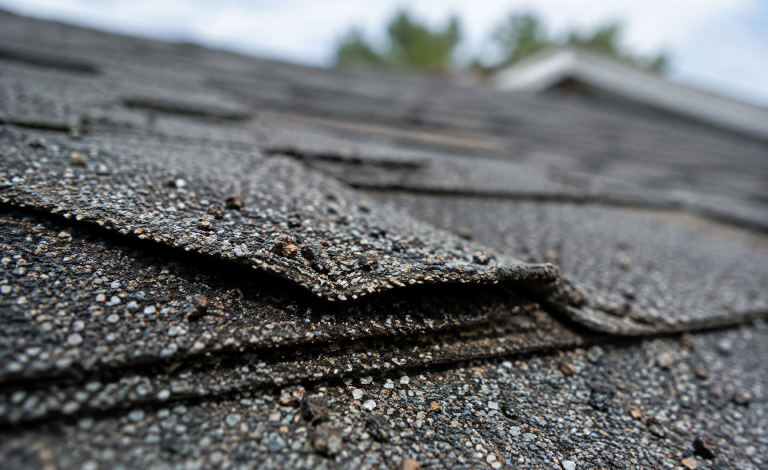
Maryland homeowners can see fast weather changes throughout the year, from heavy rain and summer thunderstorms to winter ice and wind-driven debris. A roof problem does not always begin with a dramatic leak. Small openings around shingles, flashing, vents, and gutters can allow water to enter vulnerable areas over time. Knowing when a repair may be enough and when to explore roof replacement starts with safe, consistent observation.
The goal is not to diagnose every roofing issue from the yard. It is to recognize changes, document them, and act before moisture reaches insulation, framing, ceilings, or belongings. A simple routine before and after rough weather can help Maryland households make more informed decisions about roof care.
Why Weather Checks Matter
Wind can lift shingle edges, hail can leave surface damage, and fallen limbs can affect roofing, gutters, and siding. Heavy rain can expose weak flashing or blocked drainage paths. These issues may be limited to one area, but they can also create a pathway for water to enter the home if left unaddressed. Paying attention to storm alerts is worthwhile because severe thunderstorms are officially defined by hail at least 1 inch in diameter or wind gusts over 58 miles per hour. Conditions at that level can damage roofs, vehicles, trees, and exterior finishes. A basic visual review before and after severe weather helps establish whether anything has changed.
What To Check Before a Storm
A pre-storm check should be brief, practical, and completed from the ground. Do not climb onto the roof to investigate a concern, especially when rain or high winds may be approaching. Instead, walk around the property while there is good daylight and look for obvious maintenance needs.
- Look for shingles that appear loose, lifted, cracked, curled, or missing.
- Check that gutters and downspouts appear firmly attached.
- Remove loose branches or limbs that touch the roof, if it is safe to do so.
- Confirm that downspouts carry water away from the foundation.
- Secure outdoor furniture, tools, planters, and other movable items.
- Notice whether visible vents, flashing, and roof edges look intact.
See also: Questions to Ask Before Starting Opioid Use Disorder Treatment in San Diego, California
How To Inspect From the Ground
A ground-level inspection is safer than walking on roofing materials and can still reveal useful clues. Stand far enough back to view roof slopes and edges, then use binoculars or a phone camera zoom if needed. Keep a few clear photos of the home from different angles so later changes are easier to spot.
- Begin at the front of the home and work around each side.
- Look at roof edges, valleys, ridge caps, vents, and visible flashing.
- Check lawns, driveways, and patios for shingle pieces, granules, or metal fragments.
- Look for branches resting on the structure or damage around gutters.
- Photograph anything that looks new or unusual.
This check does not replace a professional inspection. It is a way to identify visible changes and provide useful documentation if a closer evaluation is needed.
Roof Warning Signs To Watch For
Not every flaw means a full roof replacement is necessary. Still, certain signs deserve timely attention because they may indicate that roofing materials or water-shedding details have been compromised.
- Missing, broken, lifted, curled, or cracked shingles.
- Dark patches, exposed areas, or uneven-looking roof sections.
- Loose ridge caps or gaps near eaves and roof edges.
- New accumulations of shingle granules near downspouts.
- Bent, displaced, or damaged flashing near chimneys, vents, and roof joints.
- Sagging areas that may point to moisture damage or a structural concern.
Some leaks begin where the roof meets a penetration or transition, rather than in the middle of a shingle field. New water stains, visible decking issues, or an active leak should prompt a prompt, qualified assessment.
Why Gutters, Skylights, and Siding Matter
A roof system includes more than shingles. Gutters guide runoff away from roof edges, while downspouts help move that water away from the house. If gutters are blocked, sagging, separated, or leaking, water may back up near the eaves, creating unnecessary exposure around the roofline.
Exterior Areas To Include in Your Check
- Gutters: Watch for blockages, rust, loose fasteners, sagging sections, and separation from the fascia.
- Downspouts: Look for clogs, leaks, disconnected extensions, and pooling water near the foundation.
- Skylights: Check for cracked panes, stained interior trim, damaged seals, or water dripping nearby.
- Siding: Note dents, cracks, loose panels, holes, or missing pieces that may indicate wind or hail exposure.
How To Check the Attic and Interior
The attic can reveal developing roof issues before water reaches finished rooms. When conditions are safe, look for damp insulation, water marks on roof decking, rusty nail heads, mold-like odors, or daylight visible through the roof structure. Do not enter an attic with standing water, damaged wiring, or a ceiling that appears unstable. Inside living areas, inspect upper ceilings, walls, closet corners, and trim near roof slopes. A water stain can remain after an area has dried, so take a photo, note the date, and watch for changes after future rain. Bubbling paint, soft drywall, or recurring staining can indicate that moisture is still entering the space.
Steps To Take After Severe Weather
Safety comes before property inspection. Wait until the storm has passed, stay clear of damaged trees and utility equipment, and do not touch downed power lines or objects in contact with them. The guidance for hazards after a storm also warns homeowners to watch for exposed nails, broken glass, damaged electrical systems, and possible gas leaks.
- Check that everyone is safe before examining the property.
- Walk the exterior from the ground and photograph visible damage.
- Record the date, weather event, and affected areas.
- Check ceilings and the attic only when conditions are safe.
- Use temporary protection only if it can be done without climbing on the roof.
- Contact a qualified professional when damage is visible, or a leak is suspected.
Repair or Replace: Questions To Ask
A single damaged shingle does not automatically require replacement of an entire roof. The right approach depends on the roof’s age, material, repair history, the location and extent of damage, ventilation conditions, and whether water has reached the underlying structure.
- Is the issue limited to one small, accessible area?
- Are multiple roof slopes or components affected?
- Has the roof needed repeated repairs in recent years?
- Is there evidence of moisture in insulation, decking, or framing?
- Are compatible replacement materials available?
- Would a repair provide a dependable long-term result?
Build a Simple Maintenance Plan
Roof care is easier when it becomes a regular household task rather than an emergency response. Plan a visual review in spring, another before winter, and an additional check after major wind, hail, or heavy-rain events. Schedule gutter cleaning and tree trimming around the conditions on your property.
Seasonal Maintenance Checklist
- Spring: Look for winter wear, loose flashing, blocked gutters, and drainage issues.
- Summer: Check for storm damage, heat-related wear, and tree contact.
- Fall: Clear leaves, inspect downspouts, and prepare for colder weather.
- Winter: Watch for ice buildup, attic moisture, and new ceiling stains.
- After major storms: Photograph changes and arrange an inspection when needed.
Final Takeaway
For Maryland homeowners, dependable roof care is built on safe observation, clear records, clean drainage, and timely professional guidance. Regularly checking the roofline, gutters, downspouts, flashing, skylights, and surrounding trees can help reveal signs of wear before they become more serious concerns. Although a ground-level inspection cannot identify every hidden problem, it provides a practical way to monitor changes, document potential damage, and determine when a closer assessment may be necessary. Keeping dated photographs and records of maintenance or previous repairs can also make it easier to compare conditions after heavy rain, strong winds, or other severe weather. Make roof inspections part of your 2026 home maintenance routine, especially before and after seasonal weather changes. By combining consistent inspections with proper drainage maintenance and prompt professional attention, you can better protect your home, minimize avoidable damage, and make more informed decisions about long-term roof maintenance.