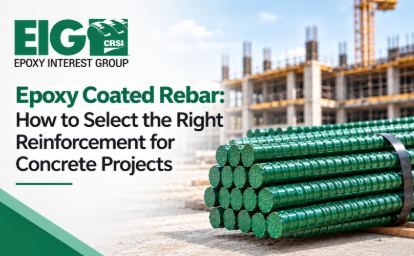
An apparent solid structure, e.g., − a rocklike concrete element can become weaker with time inside owing to corrosion. Rust is a major concern because moisture combined with road salt and obnoxiously harsh chemicals can penetrate steel reinforcement. Epoxy coated rebar mitigates this risk by providing a protective coating to the steel.
For contractors, engineers, and project managers alike, selecting a product is often more than price. It matters in terms of cumulative coating, quality standards, and site conditions.
Start with the Project Exposure Conditions
Different projects present different risks. Depending on the application, even something as simple as a bridge deck exposed to road salt has very different needs than an indoor concrete floor. For example, coastal structures may have high levels of exposure to salt.
Verify moisture profile, chloride or other chemical exposure, & midterm service life of site prior to selection of reinforcement options. This is important to assess if coated steel is appropriate for the project.
See also: Health Energy Longevity: Why Bone Density Declines with Age
What Makes a Quality Product?
Choosing the best epoxy coated rebar for concrete projects is to go through some of its product specifications and check whether they meet with the engineering plans.
This should be a watch point, you have few aspects to lookout for:
- Coating Quality: Verification of coating thickness and inspection ledger.
- Check Steel Specification: Verify the bar’s type, size, and strength comply with project specifications.
- Standards Documentation: Ask for the relevant standards compliance document.
- Surface: Look for signs of damage and how the repair is done (if needed).
A trusted supplier must clearly mention the specifications and quality history of products. This facilitates checking whether the reinforcement is fit for purpose.
Why Installation Matters?
Once the epoxy is compromised; however, even a well-coated steel component can succumb to corrosion. The scratches and chips can allow the steel to become exposed in areas where it is vulnerable to corrosive elements.
The workers need to be careful when transporting the bars, cutting them, bending them, and placing them. If any damage occurs to the coatings, repairs are carried out as detailed by manufacturer or specification.
The design also takes concrete cover, spacing, and lap lengths into account. Enabling these details makes the reinforcement work properly into the structure.
Balance Cost with Long-Term Performance
The initial expense of epoxy is always greater than uncoated reinforcement. However, it does reduce certain types of corrosion repair where applicable. Results will vary and are dependent on proper design and installation.
Compare supplier quotes along with the quality of the product, delivery times, and technical support. The lowest price can also mean critically reduced value over the structure life.